update docs at the getting started page to resemble Tim Huff's guidan… #321
There are no files selected for viewing
| Original file line number | Diff line number | Diff line change | ||||||||||||
|---|---|---|---|---|---|---|---|---|---|---|---|---|---|---|
| @@ -1,59 +1,156 @@ | ||||||||||||||
|
|
||||||||||||||
| # Getting Started | ||||||||||||||
|
|
||||||||||||||
| ## How to Build a Computer Vision Application with Groundlight's Python SDK | ||||||||||||||
|
|
||||||||||||||
| If you're new to Groundlight, this is a good place to start. Learn how to run your first computer vision application. | ||||||||||||||
|
Contributor
There was a problem hiding this comment.
Suggested change
|
||||||||||||||
|
|
||||||||||||||
|
|
||||||||||||||
|
|
||||||||||||||
| ### What's below? | ||||||||||||||
|
|
||||||||||||||
| - [Prerequisites](#prerequisites) | ||||||||||||||
| - [Environment Setup](#environment-setup) | ||||||||||||||
| - [Authentication](#authentication) | ||||||||||||||
| - [Writing the code](#writing-the-code) | ||||||||||||||
| - [Using your application](#using-your-computer-vision-application) | ||||||||||||||
|
|
||||||||||||||
|
|
||||||||||||||
|
|
||||||||||||||
| ### Prerequisites | ||||||||||||||
|
|
||||||||||||||
| Before getting started: | ||||||||||||||
|
|
||||||||||||||
| - Make sure you have python installed | ||||||||||||||
| - Install VSCode | ||||||||||||||
| - Make sure your device has a c compiler. On Mac, this is provided through XCode while in Windows you can use the Microsoft Visual Studio Build Tools | ||||||||||||||
|
|
||||||||||||||
| ### Environment Setup | ||||||||||||||
|
|
||||||||||||||
| Before you get started, you need to make sure you have python installed. Additionally, it’s good practice to set up a dedicated environment for your project. | ||||||||||||||
|
|
||||||||||||||
| You can download python from https://www.python.org/downloads/. Once installed, you should be able to run the following in the command line to create a new environment | ||||||||||||||
|
|
||||||||||||||
| ```bash | ||||||||||||||
| python3 -m venv gl_env | ||||||||||||||
| ``` | ||||||||||||||
| Once your environment is created, you can activate it with | ||||||||||||||
| ```bash | ||||||||||||||
| source gl_env/bin/activate | ||||||||||||||
| ``` | ||||||||||||||
| For Linux and Mac or if you’re on Windows you can run | ||||||||||||||
| ```bash | ||||||||||||||
| gl_env\Scripts\activate | ||||||||||||||
| ``` | ||||||||||||||
| The last step to setting up your python environment is to run | ||||||||||||||
| ```bash | ||||||||||||||
| pip install groundlight | ||||||||||||||
| pip install framegrab | ||||||||||||||
| ``` | ||||||||||||||
| in order to download Groundlight’s SDK and image capture libraries. | ||||||||||||||
|
|
||||||||||||||
|
|
||||||||||||||
|
|
||||||||||||||
| ### Authentication | ||||||||||||||
|
|
||||||||||||||
| In order to verify your identity while connecting to your custom ML models through our SDK, you’ll need to create an API token. | ||||||||||||||
|
|
||||||||||||||
| 1. Head over to [http://dashboard.groundlight.ai/](http://dashboard.groundlight.ai/) and create or log into your account | ||||||||||||||
|
Contributor
There was a problem hiding this comment.
Suggested change
|
||||||||||||||
|
|
||||||||||||||
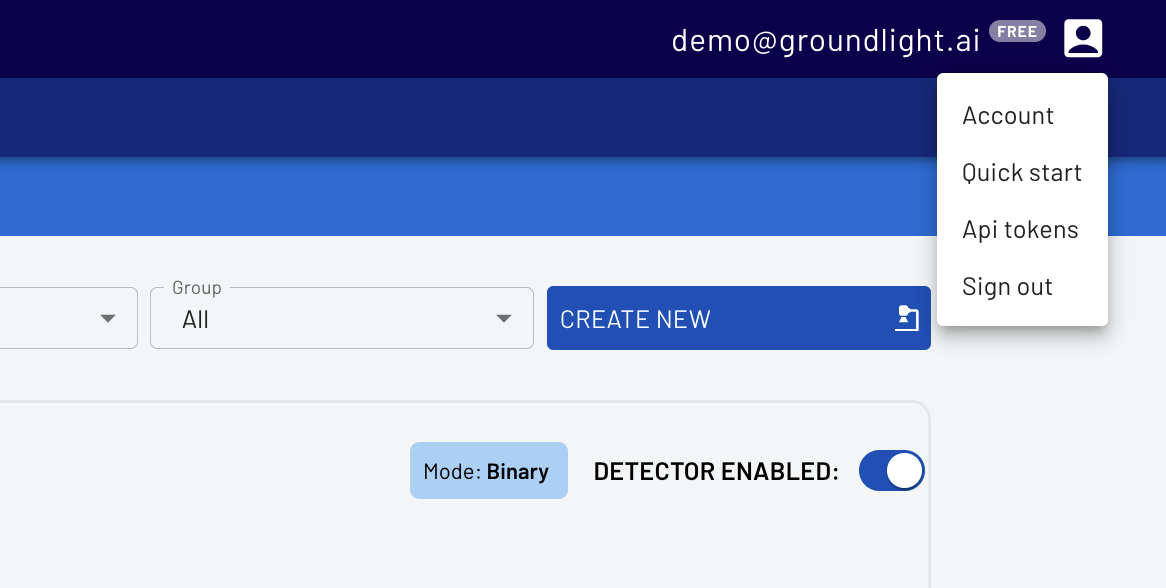
| 2. Once in, click on your username in the upper right hand corner of your dashboard: | ||||||||||||||
|
|
||||||||||||||
|  | ||||||||||||||
|
|
||||||||||||||
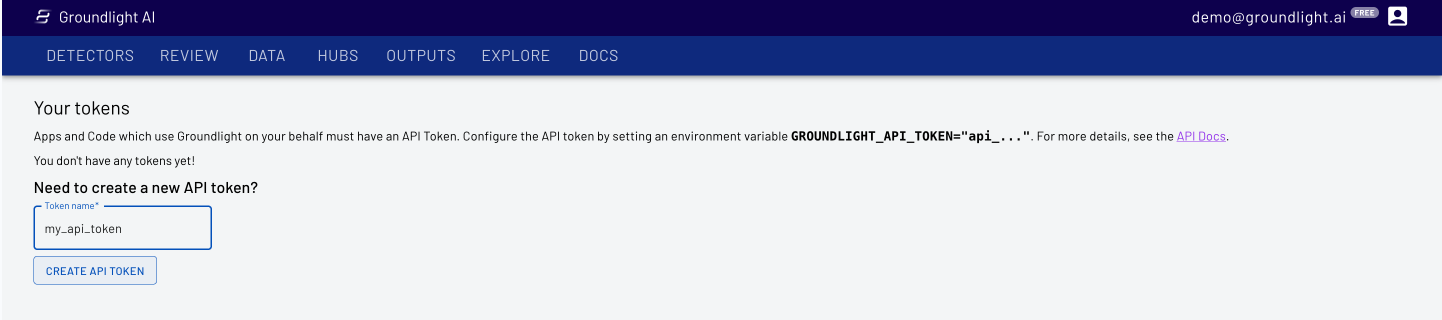
| 3. Select API Tokens, then enter a name, like ‘personal-laptop-token’ for your api token. | ||||||||||||||
|
|
||||||||||||||
|  | ||||||||||||||
|
|
||||||||||||||
| 4. Copy the API Token for use in your code | ||||||||||||||
|
|
||||||||||||||
| IMPORTANT: Keep your API token secure! Anyone who has access to it can impersonate you and will have access to your Groundlight data | ||||||||||||||
|
|
||||||||||||||
|
|
||||||||||||||
| ```bash | ||||||||||||||
| $env:GROUNDLIGHT_API_TOKEN="YOUR_API_TOKEN_HERE" | ||||||||||||||
| ``` | ||||||||||||||
| Or on Mac | ||||||||||||||
| ```bash | ||||||||||||||
| export GROUNDLIGHT_API_TOKEN="YOUR_API_TOKEN_HERE" | ||||||||||||||
| ``` | ||||||||||||||
|
|
||||||||||||||
|
|
||||||||||||||
| ### Writing the code | ||||||||||||||
|
|
||||||||||||||
| For our first demo, we’ll build a detector that checks if a trashcan is overflowing. You can copy the following code into a file inside your VSCode or check out the [github page](https://github.com/groundlight/video_tutorials/tree/main/sdk_intro). | ||||||||||||||
|
|
||||||||||||||
| You can start using Groundlight with a USB camera attached to your computer in just 15 lines of Python! | ||||||||||||||
|
Contributor
There was a problem hiding this comment. For your first and simple application you can build a binary detector, which is computer vision model where the answer will either be 'Yes' or 'No'. Groundlight AI will confirm if the thumb is facing up or down ("Is the thumb facing up?"). You can start using Groundlight using just your laptop camera, but you can also use a USB camera if you have one.
Contributor
There was a problem hiding this comment.
Suggested change
|
||||||||||||||
|
|
||||||||||||||
| ```python | ||||||||||||||
| import groundlight | ||||||||||||||
| import cv2 | ||||||||||||||
| from framegrab import FrameGrabber | ||||||||||||||
| import time | ||||||||||||||
|
|
||||||||||||||
| gl = groundlight.Groundlight() | ||||||||||||||
|
|
||||||||||||||
| detector_name = "trash_detector" | ||||||||||||||
| detector_query = "Is the trash can overflowing" | ||||||||||||||
|
|
||||||||||||||
| detector = gl.get_or_create_detector(detector_name, detector_query) | ||||||||||||||
|
|
||||||||||||||
| grabber = list(FrameGrabber.autodiscover().values())[0] | ||||||||||||||
|
|
||||||||||||||
| WAIT_TIME = 5 | ||||||||||||||
| last_capture_time = time.time() - WAIT_TIME | ||||||||||||||
|
|
||||||||||||||
| while True: | ||||||||||||||
| frame = grabber.grab() | ||||||||||||||
|
|
||||||||||||||
| cv2.imshow('Video Feed', frame) | ||||||||||||||
| key = cv2.waitKey(30) | ||||||||||||||
|
|
||||||||||||||
| if key == ord('q'): | ||||||||||||||
| break | ||||||||||||||
| # # Press enter to submit an image query | ||||||||||||||
| # elif key in (ord('\r'), ord('\n')): | ||||||||||||||
| # print(f'Asking question: {detector_query}') | ||||||||||||||
| # image_query = gl.submit_image_query(detector, frame) | ||||||||||||||
| # print(f'The answer is {image_query.result.label.value}') | ||||||||||||||
|
|
||||||||||||||
| # # Press 'y' or 'n' to submit a label | ||||||||||||||
| # elif key in (ord('y'), ord('n')): | ||||||||||||||
| # if key == ord('y'): | ||||||||||||||
| # label = 'YES' | ||||||||||||||
| # else: | ||||||||||||||
| # label = 'NO' | ||||||||||||||
| # image_query = gl.ask_async(detector, frame, human_review="NEVER") | ||||||||||||||
| # gl.add_label(image_query, label) | ||||||||||||||
| # print(f'Adding label {label} for image query {image_query.id}') | ||||||||||||||
|
|
||||||||||||||
| # Submit image queries in a timed loop | ||||||||||||||
| now = time.time() | ||||||||||||||
| if last_capture_time + WAIT_TIME < now: | ||||||||||||||
| last_capture_time = now | ||||||||||||||
|
|
||||||||||||||
| print(f'Asking question: {detector_query}') | ||||||||||||||
| image_query = gl.submit_image_query(detector, frame) | ||||||||||||||
| print(f'The answer is {image_query.result.label.value}') | ||||||||||||||
|
|
||||||||||||||
| grabber.release() | ||||||||||||||
| cv2.destroyAllWindows() | ||||||||||||||
| ``` | ||||||||||||||
| This code will take an image from your connected camera every minute and ask Groundlight a question in natural language, before printing out the answer. | ||||||||||||||
|
|
||||||||||||||
|
|
||||||||||||||
|
|
||||||||||||||
| ### Using your computer vision application | ||||||||||||||
|
|
||||||||||||||
| Just like that, you have a complete computer vision application. You can change the code and configure a detector for your specific use case. Also, you can monitor and improve the performance of your detector at [http://dashboard.groundlight.ai/](http://dashboard.groundlight.ai/). Groundlight’s human-in-the-loop technology will monitor your image feed for unexpected changes and anomalies, and by verifying answers returned by Groundlight you can improve the process. At app.groundlight.ai, you can also set up text and email notifications, so you can be alerted when something of interest happens in your video stream. | ||||||||||||||
|
|
||||||||||||||
|
|
||||||||||||||
|
|
||||||||||||||
| ### If You're Looking for More: | ||||||||||||||
|
|
||||||||||||||
| Want to deploy your Groundlight application on a dedicated device? See our guide on [how to use Groundlight with a Raspberry Pi](https://www.groundlight.ai/guides/raspberry-pi-tutorial). | ||||||||||||||
|
|
||||||||||||||
| Check out [the docs](https://code.groundlight.ai/python-sdk/) to learn how to further customize your app. | ||||||||||||||
|
Contributor
There was a problem hiding this comment. Now that you've built your first application, learn how to write queries. Want to play around with sample applications built by Groundlight AI? Visit Guides to build example applications, from detecting birds outside of your window to running Groundlight AI on a Raspberry Pi.
Contributor
There was a problem hiding this comment.
Suggested change
|
||||||||||||||


There was a problem hiding this comment.
Choose a reason for hiding this comment
The reason will be displayed to describe this comment to others. Learn more.
If you're new to Groundlight AI, this is a good place to start. This is the equivalent of building a "Hello, world!" application.
Don't code? Use Groundlight's no code option or reach out to Groundlight AI so we can build a custom computer vision application for you.
There was a problem hiding this comment.
Choose a reason for hiding this comment
The reason will be displayed to describe this comment to others. Learn more.
done